Social Security's Ticket to Work Program
Social Security's Ticket to Work Program: How It Works, Who Qualifies, and What Happens to Your Benefits
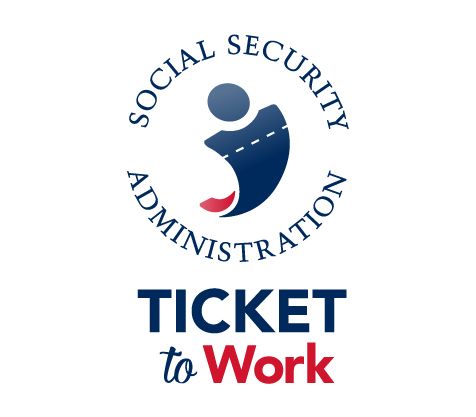
Most disability recipients learn about the Social Security Ticket to Work program shortly after they start receiving benefits. Disability beneficiaries will typically receive a brochure about the program, and then learn that they can work while getting monthly disability benefits. To some extent, that's true: the government encourages and helps people return to work. But the disability programs are fundamentally meant to support working aged people who cannot work, and Ticket to Work does not provide a lifetime exception to both receive disability benefits and work full-time.
At a high level, Ticket to Work is a free, voluntary program for disabled working-aged people (more specifically, people who receive Social Security Disability Insurance (SSDI) or Supplemental Security Income (SSI)) prepare to return to work. The program connects participants with free employment support services, including career counseling, job search help, vocational guidance, and ongoing support.
The goal of Ticket to Work is simple: disabled people can explore returning to work, and determine whether that's sustainable, without immediately losing their monthly benefits or health coverage. To further those goals, Social Security provides work incentives that are meant to reduce the risk of trying to work by giving beneficiaries time, structure, and support as they test what they can do.
While the program offers a great opportunity for disabled people to explore employment, we wanted to publish this article because we see many disability recipients run into unexpected problems when they don’t understand the Ticket to Work rules. I probably get two calls per month from someone who thought that they could work as much as they wanted under Ticket to Work, and then lost their disability benefits (and sometimes has to pay years of benefits back to the Social Security Administration).
Who qualifies for the Ticket to Work program?
You may qualify for the Ticket to Work program if you:
- are 18 through 64 years old, and
- receive SSDI, or receive SSI based on disability.
How the Ticket to Work program works
If you qualify, Ticket to Work can help you prepare for a career, return to work gradually, or figure out whether employment is the right fit for your health, skills, and long-term goals. Participants can receive help with resumes, interview preparation, training referrals, career planning, and job placement support. The services are provided at no cost to eligible beneficiaries.
When you participate in Ticket to Work, you usually work with either an Employment Network (EN) or your state Vocational Rehabilitation (VR) agency. For example, if you live in Ohio, the state vocational rehabilitation agency is Opportunities for Ohioans with Disabilities (OOD). Some state agencies, including OOD, also offer Work Incentives Planning, which can help you understand how employment may affect your SSI, SSDI, Medicare, and Medicaid benefits.
What is the Trial Work Period?
SSDI recipients can make use of the Trial Work Period, whether or not they opt into the Ticket to Work Period.
The Trial Work Period lets many SSDI beneficiaries test their ability to work and still receive their full SSDI benefit, regardless of how much they earn during those qualifying months, as long as they still meet Social Security’s disability rules and properly report their work activity.
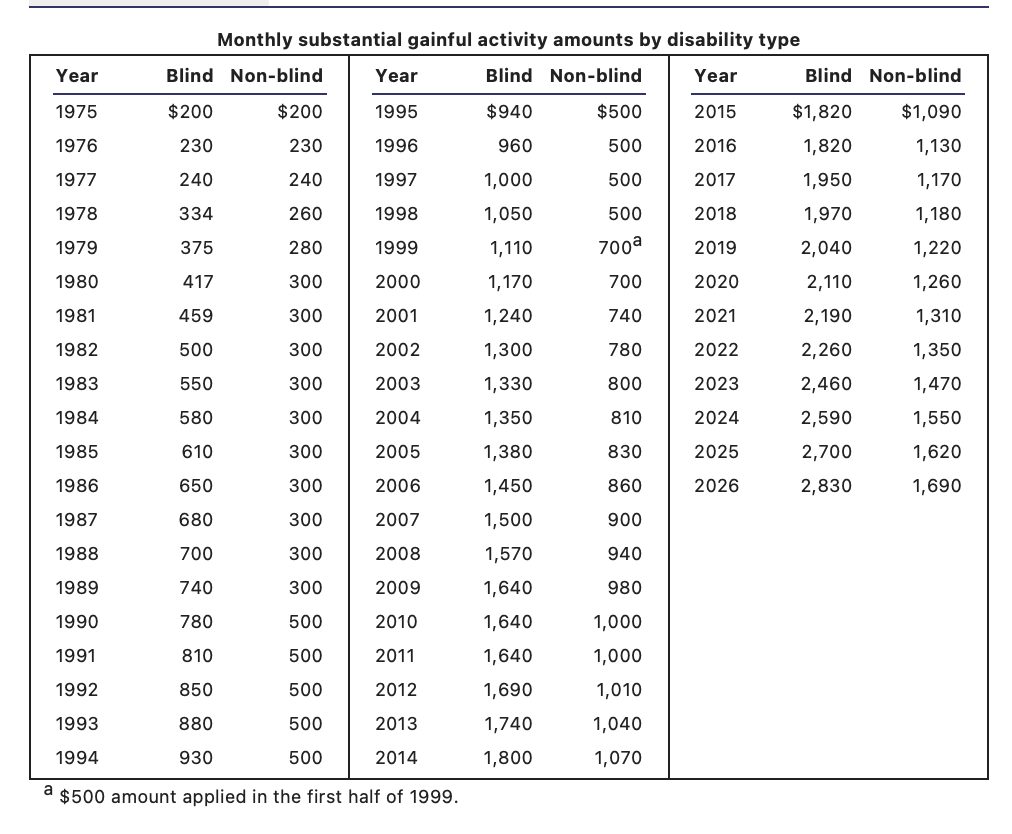
In 2026, a month generally counts as a Trial Work Period month if you earn more than $1,210 in gross wages. If you are self-employed, a month can also count if you work more than 80 hours in your business. The Trial Work Period continues until you accumulate nine Trial Work Period months within a rolling 60-month period. Even if those nine months are not consecutive, you only have nine months in any 60-month period.
For example, if you earn $1,300 in one month, that month would usually count toward your Trial Work Period. If the next month you earn less than the threshold, that month normally would not count. In practice, the Trial Work Period allows beneficiaries to test work without immediately losing disability benefits. So disability recipients can try work for a short period (as the program's name suggests) while still receiving benefits, instead of making an all-or-nothing decision.
What happens after the Trial Work Period?
After you complete the nine Trial Work Period months, you move into the Extended Period of Eligibility (EPE). The EPE lasts for 36 months, or about three years. During this time, you can generally still receive SSDI for any month in which your earnings stay below the amount Social Security considers Substantial Gainful Activity (SGA).
For 2026, Social Security’s EPE earnings limit is $1,690 per month for employees (gross earnings), or $2,830 per month if you are blind. In general, SSA considers work “substantial” if it involves significant physical or mental activity and “gainful” if it is done for pay or profit. For self-employed workers, the analysis can be more complex and may involve your net earnings and work activity.
What if you decide you cannot keep working?
If your benefits stop because of work and later you have to stop working again because of your medical condition, you may be able to request Expedited Reinstatement (EXR). Expedited Reinstatement allows some former beneficiaries to restart benefits without filing a new application, and Social Security says you may also receive temporary benefits for up to six months while your request is being reviewed. In general, you must request EXR within five years of when your benefits ended.
What happens to Medicare or Medicaid if you go back to work?
Health coverage is one of the biggest concerns for people considering work while receiving disability benefits. For many SSDI beneficiaries, Medicare can continue for at least 93 months after the Trial Work Period, as long as the person remains medically disabled under SSA rules. SSA guidance explains that this extended Medicare protection includes continued eligibility for premium-free Part A for many beneficiaries, with Part B and Part D continuing if the person remains enrolled and pays any required premiums.
If you receive SSI, the rules work differently because SSI is a needs-based program. As your earnings increase, your SSI cash benefit may decrease. However, some working SSI recipients can still keep Medicaid under Section 1619(b) even after their monthly SSI payment stops, as long as they remain disabled and meet the applicable requirements. SSA also explains that SSI work incentives are intended to help people work without automatically losing Medicaid coverage.
Ticket to Work and SSI
Ticket to Work is available to both SSDI and SSI beneficiaries, but the work rules are not identical. Because SSI is based on financial need, your monthly payment may be reduced as you earn income. Even so, working does not necessarily mean you lose benefits right away, and SSI includes multiple work incentives intended to make employment possible while protecting access to support programs.
If you are in Ohio and receive SSI, working with OOD or another Ticket to Work provider can be especially helpful because benefits planning is often just as important as job placement. Knowing how wages may affect your SSI payment, Medicaid eligibility, and reporting obligations can help you avoid surprises and make more informed choices.
Why reporting work and wages matters
Whether you receive SSDI or SSI, it is important to report your work activity and earnings to Social Security on time. Social Security’s work incentive rules are helpful, but they depend on accurate reporting. If wages are not reported correctly, beneficiaries can face overpayments, delays, interruptions, or confusion about whether benefits should continue.
A Ticket to Work provider, Employment Network, or Ohio benefits planner can help you understand what needs to be reported and when. That guidance can be especially useful if your income changes from month to month or if you are self-employed.
Is the Ticket to Work program worth it?
For many people, the Ticket to Work program offers a safer and more structured way to explore employment. It combines job support, benefits counseling, work incentives, and healthcare protections so that returning to work does not feel like an immediate threat to financial stability. Instead of forcing a sudden choice between work and benefits, the program gives eligible beneficiaries a way to test what is possible.
In Ohio, that support can be even more practical because beneficiaries may be able to work with Opportunities for Ohioans with Disabilities, a state agency that provides local vocational rehabilitation and work incentives planning. For someone who wants to return to work but needs help understanding the process, combining Ticket to Work with OOD services can provide both local guidance and federal work incentive protections.
Final thoughts
The SSA Ticket to Work program is meant to help people with disabilities explore work opportunities while protecting important benefits and medical coverage during the transition. If you want to explore your options, you can use Social Security’s Find Help tool to locate an Employment Network or service provider, or you can learn more about Ohio vocational rehabilitation services through OODWorks. For many beneficiaries, the value of Ticket to Work is not just that it supports employment. It gives you room to make an informed decision without immediately giving up the protections you rely on. Nonetheless, we encourage recipients to speak with an SSA representative to confirm that they understand the rules and do not accidentally jeopardize their disability benefits.
Disclaimer: The information provided in this blog is for general informational purposes only and does not constitute legal advice. Reading this blog does not create an attorney-client relationship. For advice specific to your situation, please speak directly with a Social Security disability lawyer.